Professor · Icahn School of Medicine at Mount Sinai
MD, FSIR, FCIRSE, FSVM · Interventional Radiology
Professor of Interventional Radiology, Urology, and Surgery at Mount Sinai. A global innovator in minimally invasive vascular and oncologic interventions — and one of the world's foremost experts in Prostate Artery Embolization (PAE).
About
Aaron M. Fischman, MD, FSIR, FCIRSE, FSVM is Professor of Diagnostic, Molecular and Interventional Radiology, Urology, and Surgery at the Icahn School of Medicine at Mount Sinai. He received his BA in Economics from Dartmouth College and his MD from SUNY Upstate Medical University, completing his radiology residency at Mount Sinai — where he served as Chief Resident — followed by a fellowship in Vascular and Interventional Radiology. He joined Mount Sinai's Division of Vascular and Interventional Radiology in 2010 and currently serves as Program Director of the nationally recognized IR residency training program for the entire Mount Sinai Health System.
Dr. Fischman is a global innovator in Prostate Artery Embolization (PAE), having pioneered the transradial (wrist-access) technique for PAE and developed novel approaches using liquid embolics that reduce procedure time, lower radiation doses, and speed patient recovery. He trains physicians from around the world in this minimally invasive technique and has led landmark clinical trials including the BEST Trial (PAE vs. TURP) and the BEAT Obesity Trial.
His expertise spans interventional oncology, venous disease, men's health, and complex vascular interventions. He has authored over 130 peer-reviewed publications and textbooks, lectures internationally, and is an active Fellow of the Society of Interventional Radiology, the Cardiovascular and Interventional Radiological Society of Europe, and the Society of Vascular Medicine.
What I Treat
The flagship procedure of Dr. Fischman's practice. PAE is a same-day, catheter-based treatment for BPH (enlarged prostate) that reduces urinary symptoms without surgery, general anesthesia, or sexual side effects.
Comprehensive evaluation and treatment of BPH, including a thorough review of all available options — medical, surgical, and minimally invasive — to help patients make fully informed decisions.
Personalized consultations addressing a range of men's urological and vascular concerns, with a focus on quality of life, symptom relief, and long-term outcomes through the least invasive approach possible.
Expert diagnosis and treatment of vascular conditions using state-of-the-art catheter-based techniques, including embolization procedures for a variety of indications.
Patients who have been advised to pursue traditional prostate surgery are encouraged to seek a consultation with Dr. Fischman to explore whether PAE or another minimally invasive approach may be appropriate.
As a globally recognized PAE expert, Dr. Fischman welcomes referrals from physicians and patients worldwide. Telemedicine consultations available for international patients prior to travel.
Image-guided thermal ablation (including cryoablation and radiofrequency ablation) offers patients with small renal masses a nephron-sparing, minimally invasive alternative to surgery — with excellent oncologic outcomes and rapid recovery.
Comprehensive interventional management of deep vein thrombosis (DVT) and pulmonary embolism (PE), including catheter-directed thrombolysis, mechanical thrombectomy, and IVC filter placement — aimed at restoring flow and preventing long-term complications.
A minimally invasive, non-surgical treatment for varicoceles — enlarged veins within the scrotum that can cause pain and affect fertility. Embolization is performed as an outpatient procedure with minimal downtime and high success rates.
Genicular Artery Embolization (GAE) is an innovative, catheter-based treatment that reduces chronic knee pain caused by osteoarthritis — without surgery or joint replacement. An emerging option for patients who have not responded to conservative therapies.
Dr. Fischman specializes in the retrieval of complex and long-dwelling inferior vena cava (IVC) filters — including cases where prior removal attempts have failed or filters are considered embedded. Advanced techniques are employed to safely remove filters and reduce long-term complications.
Vascular causes of erectile dysfunction can be addressed through minimally invasive interventional approaches. Dr. Fischman evaluates and treats arterial insufficiency contributing to ED, offering patients options beyond medication when a vascular etiology is identified.
Getting Started
Most of Dr. Fischman's patients have already tried medications or been told surgery is their only option. Here's what to expect when you reach out.
Consultation
Reach Out
Call or submit a contact form. Telemedicine available for international patients. Most consultations scheduled within 1–2 weeks.
Evaluation
Review & Imaging
Prior records reviewed. Targeted imaging (MRI/CT/ultrasound) arranged as needed to determine candidacy for minimally invasive treatment.
Procedure
Same-Day Treatment
Most procedures performed as outpatient. Through a small wrist nick — no general anesthesia, no overnight stay, no surgical incision.
Recovery
Back to Life
Most patients return to normal activities within days. Follow-up imaging confirms results. Ongoing support from the Mount Sinai IR team.
Why Dr. Fischman
When you see Dr. Fischman, you're seeing the physician who helped define how these procedures are performed — not just someone who performs them.
Prostate Artery Embolization
Dr. Fischman pioneered transradial (wrist-access) PAE — allowing patients to go home the same day with only a small bandage on the wrist. He has trained physicians across the US, Europe, and Asia in this technique and led the landmark BEST Trial comparing PAE to surgery.
Pioneer of transradial PAE technique
First to systematically perform and teach PAE through the wrist — reducing recovery time and improving patient comfort.
Innovator in liquid embolic PAE (n-BCA glue)
Developed novel approaches using liquid embolics that reduce procedure time and radiation dose compared to conventional microspheres.
Led the BEST Trial — PAE vs. TURP
Principal investigator of the landmark randomized controlled trial comparing PAE to the gold-standard surgical treatment for BPH.
International training & teaching
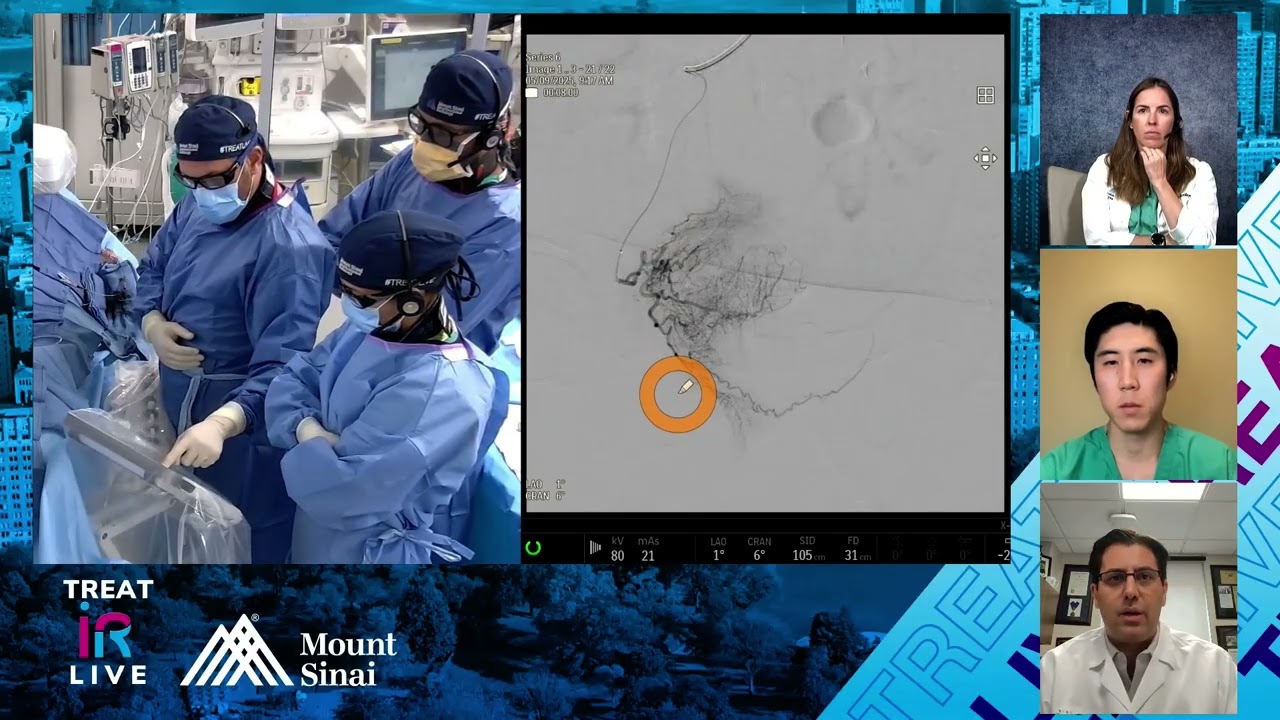
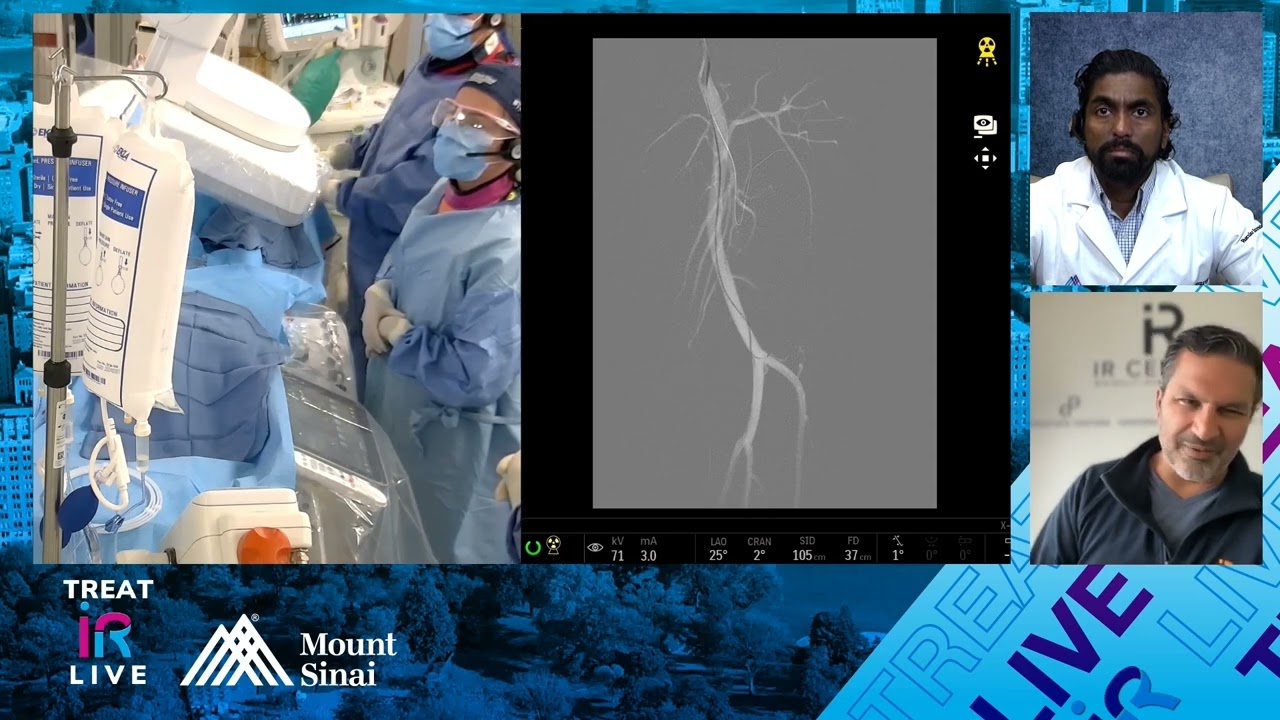
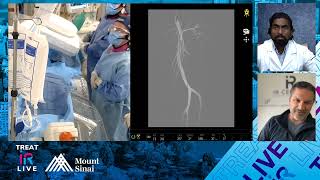
Trains IR physicians from across the globe. Founder of the TREAT iR symposium for live-case education in advanced IR techniques.
Am I a Candidate for PAE?
You have urinary symptoms from an enlarged prostate (BPH) such as urgency, weak stream, or frequent nighttime urination
Medications haven't provided enough relief — or the side effects are unacceptable
You want to avoid surgery, general anesthesia, and the risk of sexual side effects like retrograde ejaculation
You've been told surgery is your only option and want a second opinion
Note: Almost 90% of men over 45 will experience BPH symptoms at some point. PAE is now endorsed by the American Urological Association (2023 guidelines).
Video Library
Dr. Fischman shares real live cases, procedure walkthroughs, and patient education videos on his YouTube channel. Many patients watch these videos before reaching out — seeing exactly what to expect from PAE, GAE, IVC filter removal, and more. Browse the channel to learn firsthand about the procedures that could change your life.
Next Live Event
Monthly
Live Webcasts
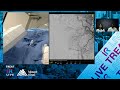
Each session covers live procedures with expert commentary on patient selection, technique, equipment, and pitfalls — presented by Dr. Fischman and the Mount Sinai IR faculty.
Prostate · PAE · Glue
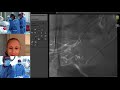
Transradial PAE using n-BCA Glue for BPH 2.0
Knee · GAE
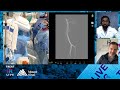
Transradial Genicular Artery Embolization (GAE) for Knee OA
Kidney · Embolization
Transradial Embolization of Renal Angiomyolipomas using LAVA
Prostate · PAE · Glue
Transradial PAE using n-BCA Glue for BPH
Uterine · UFE
Transradial Uterine Artery Embolization for Symptomatic Fibroids
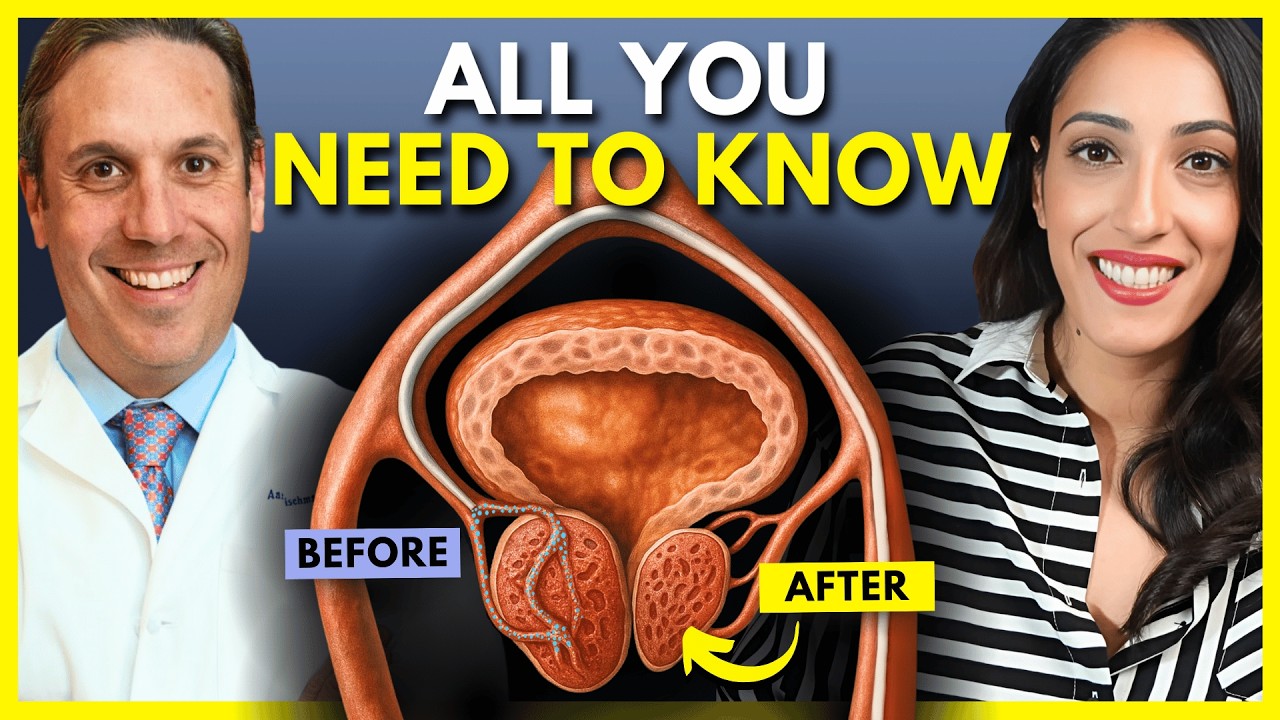
Podcast · Rena Malik, MD
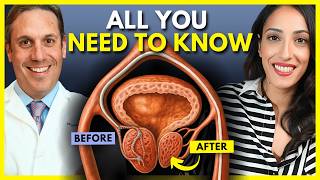
How One Procedure Can Save You from Prostate Surgery Forever
See All Videos
Full procedure library on YouTube →
Curious about a specific procedure? Watch a real case — then reach out to schedule a consultation.
Book a ConsultationResearch & Publications
Dr. Fischman has authored over 130 peer-reviewed publications spanning interventional radiology, PAE, venous disease, interventional oncology, transradial techniques, and portal hypertension. Selected first- and last-author publications are highlighted below.
First & Last Author Publications
Techniques in Vascular & Interventional Radiology · 2015 · Review
A Technical Guide Describing the Use of Transradial Access Technique for Endovascular Interventions
Journal of Vascular and Interventional Radiology · 2023 · Systematic Review
Comparison of 24-Month Clinical Outcomes after Prostatic Artery Embolization in Prostate Glands Larger versus Smaller than 80 mL
CVIR Endovascular · 2021
Prostate Artery Embolization: Increasing Self-Referrals and Awareness of Treatment Options
AJR American Journal of Roentgenology · 2021 · Review
Access Site for Visceral Arterial Interventions: Point — Transradial Is the Future
Journal of Vascular and Interventional Radiology · 2020
Use of 70- to 150-μm Radiopaque Spherical Embolics for Prostatic Artery Embolization
Journal of Vascular and Interventional Radiology · 2019 · Clinical Trial
Patient Experience and Preference in Transradial versus Transfemoral Access during Transarterial Radioembolization: A Randomized Single-Center Trial
Seminars in Interventional Radiology · 2018 · Review
Radial Access for Lower Extremity Peripheral Arterial Interventions: Do We Have the Tools?
Current Urology Reports · 2016 · Review
Prostate Artery Embolization as a New Treatment for Benign Prostate Hyperplasia: Contemporary Status in 2016
Journal of Vascular and Interventional Radiology · 2014
Uterine Artery Embolization Using a Transradial Approach: Initial Experience and Technique
Seminars in Interventional Radiology · 2014 · Review
Outcomes of Transjugular Intrahepatic Portosystemic Shunts for Ascites
Selected Co-Author Publications
Lancet Gastroenterology & Hepatology · 2022 · Clinical Trial
Radiation Segmentectomy for Curative Intent of Unresectable Very Early to Early Stage Hepatocellular Carcinoma (RASER)
Circulation · 2026 · Randomized Controlled Trial
Mechanical Thrombectomy vs Anticoagulation Alone for Acute Intermediate-High Risk Pulmonary Embolism: STORM-PE Trial
Vascular Medicine · 2022 · Position Statement
SCAI/ACR/SIR/SVM/SVS/VESS Position Statement on Competencies for Endovascular Specialists Providing CLTI Care
Abdominal Radiology · 2020 · Review
Noninvasive Imaging Assessment of Portal Hypertension
View all 130+ publications on PubMed ↗ and MSSM Scholars ↗
Selected Honors & Recognition
2017–Present · Castle Connolly
Top Doctors in New York — Recognized Annually for 8+ Consecutive Years
2022 · Journal of Vascular and Interventional Radiology
Editor's Recognition Award for Outstanding Review
2020 · Society for Vascular Medicine
Inducted as Fellow of the Society for Vascular Medicine (FSVM)
2018 · Cardiovascular and Interventional Radiological Society of Europe
Inducted as Fellow of CIRSE (FCIRSE)
Society of Interventional Radiology
Inducted as Fellow of the Society of Interventional Radiology (FSIR)
Patient Reviews
Hearing from real patients is often the first step for those considering a minimally invasive procedure. These are verified Google reviews from patients who have been treated by Dr. Fischman.
I am extremely glad that I chose Dr. Aaron Fischman and his team for my PAE procedure. They are true masters of this treatment and clearly at the forefront of using the latest embolic agents to safely and effectively reduce prostate size. Dr. Fischman has truly been a lifesaver for me. The improvement in my quality of life has been dramatic, and the procedure has essentially resolved my BPH after many years of struggle. I am incredibly grateful for his skill, care, and professionalism, as well as the outstanding team at Mount Sinai who supported me throughout the process.
The Fischman team was awesome. Very professional and kept me informed throughout my procedure. I couldn't be more pleased with their care, before and following the procedure.
Dr Fischman deserves 500 stars. He called me back right away as soon as I left a message. The PAE that he performed gave me my life back. I would highly recommend him.
When I called Dr. Fischman's office I never expected a few days later on a Saturday afternoon to receive a call from him directly to discuss my situation. That sums up Dr. Fischman's level of care and attention he gives his patients! I'm now two months post the PAE procedure and am a changed man! The results began three hours after I left the hospital and the recovery didn't involve a catheter. Do yourself a favor and reach out to Dr. Fischman — he'll call you back!
The same day I called to inquire, Dr. Fischman called me back personally and did an initial evaluation over the phone. My symptoms, which were in the severe range, began to improve about 9 or 10 days after the procedure and got gradually better up until a month later. It has significantly improved my quality of life. The procedure is covered by Medicare. If you are considering PAE and you are a good candidate, I can highly recommend Dr. Fischman and his team.
Dr. Fischman and GAE literally saved my life! Not only is he a consummate professional, but he's also a genius! Moreover, he's kind, funny, personable and his staff is A+++! I literally couldn't walk — and on October 7, 2024 Dr. Fischman did the GAE procedure on my right knee and gave me back my life!!!
Read more verified patient reviews on Google
View All Google Reviews →Media & Press
Dr. Fischman is a sought-after expert voice on minimally invasive men's health, regularly featured in media reaching millions of patients worldwide.
Topics Covered in This Episode
What prostate artery embolization is and how it works
Wrist access vs. groin access — why it matters for recovery
Success rates, risks, and long-term outcomes
How to find an experienced PAE specialist
The latest innovations in embolization materials and technique
Who is and isn't an ideal candidate for PAE
About Rena Malik, MD
Board-certified urologist and pelvic surgeon with over 2.5 million followers across social media. Her podcast delivers science-backed expert interviews on sexual health, urology, and wellness to a global audience.
Common Questions
PAE is a minimally invasive, catheter-based procedure that treats an enlarged prostate (BPH) by reducing blood flow to the prostate, causing it to shrink. Dr. Fischman performs PAE through the wrist — patients go home the same day with no surgery, no general anesthesia, and no risk of sexual side effects like retrograde ejaculation. PAE is now endorsed by the 2023 American Urological Association guidelines.
Dr. Fischman pioneered the transradial (wrist-access) approach to PAE, and developed novel techniques using liquid embolics (n-BCA glue) that reduce procedure time and radiation dose. He led the landmark BEST Trial comparing PAE to surgery (TURP), and has trained interventional radiologists across the US, Europe, and Asia in these techniques. He has performed more PAEs using transradial access than virtually any physician in the world.
You may be a candidate if you have urinary symptoms from an enlarged prostate (urgency, weak stream, frequent nighttime urination), medications haven't worked or cause unacceptable side effects, or you want to avoid surgery. Almost 90% of men over 45 will experience BPH symptoms. A consultation with Dr. Fischman — including review of prior imaging — will determine if PAE is right for you.
Most patients go home the same day and return to light activities within 1–2 days. There are no surgical incisions, and no foley catheter is required in most cases. The only restriction is avoiding heavy lifting with the wrist-access arm for a few days. Meaningful improvement in urinary symptoms is typically seen within 4–8 weeks as the prostate gradually shrinks.
PAE is covered by Medicare and many major commercial insurance plans. Coverage varies by insurer and individual plan. The Mount Sinai team can assist with insurance verification and prior authorization before your procedure. Contact the office at (212) 241-4046 to begin the verification process.
GAE is an emerging, minimally invasive treatment for chronic knee pain due to osteoarthritis. A catheter is used to reduce blood flow to the abnormal vessels driving knee inflammation — addressing pain at its vascular root rather than masking it. Performed as an outpatient through the wrist, with a rapid return to daily activities. A good option for patients who haven't responded to injections or physical therapy but aren't ready for knee replacement.
Yes. Dr. Fischman welcomes patients from across the United States and internationally. Telemedicine consultations are available to review your history, imaging, and prior treatments before you travel to New York for your procedure. Contact the office to arrange a virtual visit.
Dr. Fischman practices at Mount Sinai Health System in New York City. The office is located at 5 E 98th Street, 12th Floor, New York, NY 10029. Phone: (212) 241-4046. Procedures are performed at Mount Sinai Hospital, one of the nation's top-ranked medical centers.
Contact
To schedule an appointment, please call or email the office directly. Dr. Fischman also welcomes inquiries from referring physicians, international patients, and colleagues interested in PAE training or collaboration.